

Programmes run by RAITRATIA and MISSONGA in Madagascar, and DUDENYO (run by LAMESIN NYO) in Togo
Health system strengthening (Madagascar)
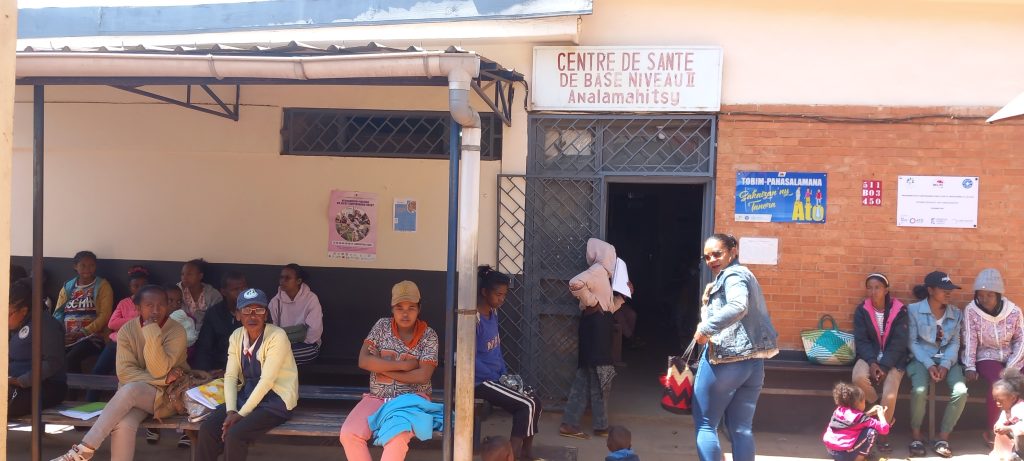
In Madagascar, the health system suffers from deep gaps in the skills of first-contact health workers: insufficient screening for tuberculosis and HIV, high treatment dropout rates, uneven application of protocols for managing childhood illnesses and for contraception, and persistent gender bias in how patients are received. Community health workers, who are volunteers and on the front line in the most isolated areas, remain insufficiently trained and supervised.
In response, ATIA and its local partner RAITRATIA, in close collaboration with the National Tuberculosis Control Programme and the Ministry of Public Health, are strengthening the skills of community health workers and staff at basic health centres in several districts of the country. The scheme is based on technical training sessions on tuberculosis, HIV, malaria, integrated management of childhood illness and contraception, followed by formative supervision in the field several months after each training, to check that the skills acquired are actually put into practice. An individual assessment of needs and constraints is carried out for each new patient starting treatment, which makes it possible to identify those most at risk of dropping out and to offer them enhanced support, provided by community workers or by experienced social workers. Targeted nutritional support is also offered to patients suffering from severe malnutrition.
Particular attention is paid to reducing gender inequalities in access to care: preliminary studies identified the specific obstacles faced by women and men, so that reception and care practices in health centres could be adapted. The whole scheme is part of an effort to build lasting strength in public and community structures, with the ambition that the models of training, proactive screening and patient support will eventually be taken over by national stakeholders.
Consensus meetings between doctors (Madagascar and Togo)
In contexts where there is no structured system of continuing medical education, private-practice doctors are particularly exposed to pressure from a poorly regulated pharmaceutical industry and to the expectations of patients who hope for an immediate result given the cost of care. This results in highly variable prescribing, sometimes excessive use of antibiotics or injectable forms, and uneven application of national and international recommendations, particularly among the poorest patients.
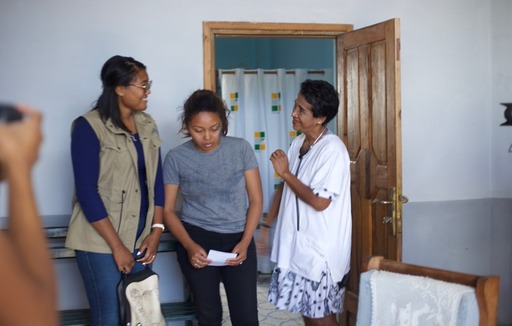
In Madagascar, ATIA developed the MISSONGA scheme to address this problem. It is an original method of continuing training based on exchange between peers rather than a top-down approach. Small groups of general practitioners meet regularly to compare their practices on a given condition or prescribing situation, discuss the scientific basis for them and build together consensus on care that is adapted to the local context and to the real constraints of their patients. Each cycle opens with a session on the doctor-patient relationship (listening, empathy, communication adapted to patients in situations of vulnerability) before moving on to common clinical topics (high blood pressure, respiratory infections, scabies, STIs, etc.). A community of practice continues between sessions, notably through exchanges between peers, reinforcing lasting ownership of good practice.
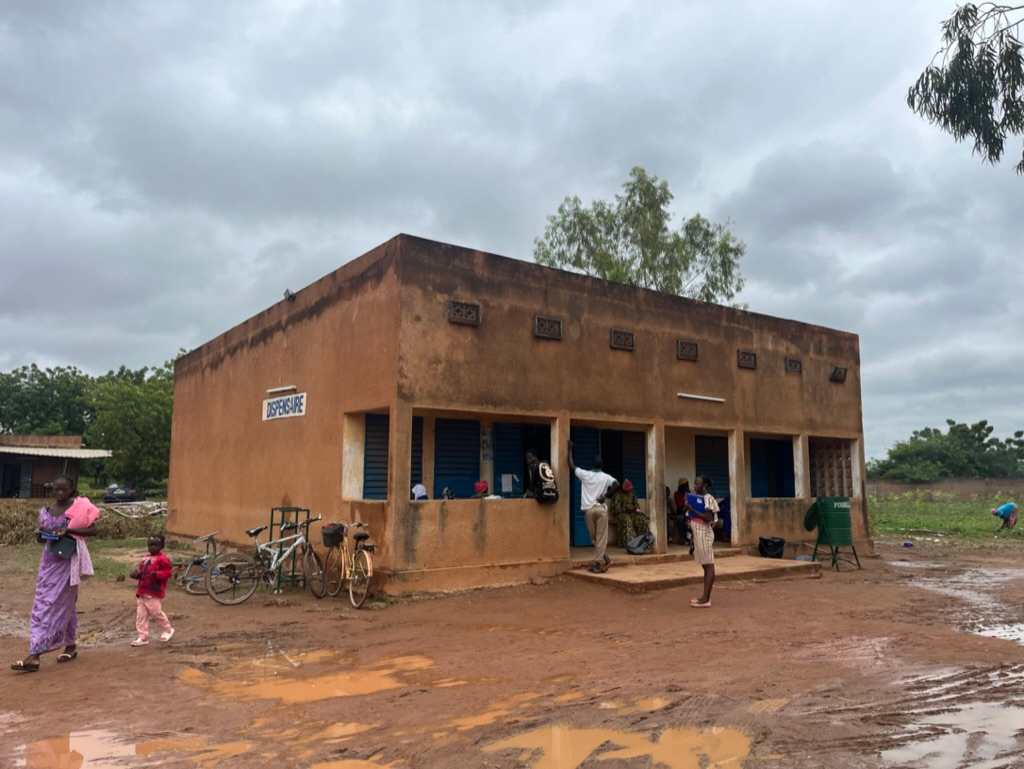
In Togo, a comparable approach was launched under the name DUDENYO, following a study that revealed over-prescription, notably the near-systematic combination of injectable antibiotics with antimalarial treatment, although this is only indicated for cases requiring hospitalisation. This scheme, run by the partner LAMESIN NYO in liaison with the Ministry of Health, has launched meetings of groups of 10 to 12 prescribers from the healthcare facilities contracted by the health insurance scheme. These groups compare real clinical cases with international recommendations (WHO guides on essential medicines, protocols for the proper use of antibiotics) and gradually build consensus on rational care. This growing recognition has led the Grand Lomé regional health directorate to identify LAMESIN NYO as a public health observatory and a leading player in improving the care system.
LEARN MORE
about the latest results in figures of the programmes
about the location of the programmes in Madagascar and Togo