

Programmes run by our partners RAITRATIA in Madagascar, and LSS and NSVK in India
Tuberculosis control (India)
In urban slums, severe overcrowding promotes the transmission of tuberculosis, while poverty and malnutrition make it harder to follow long and demanding treatments. Although the medicines are free, many patients interrupt their treatment, which increases the risk of relapse and the development of drug-resistant strains.
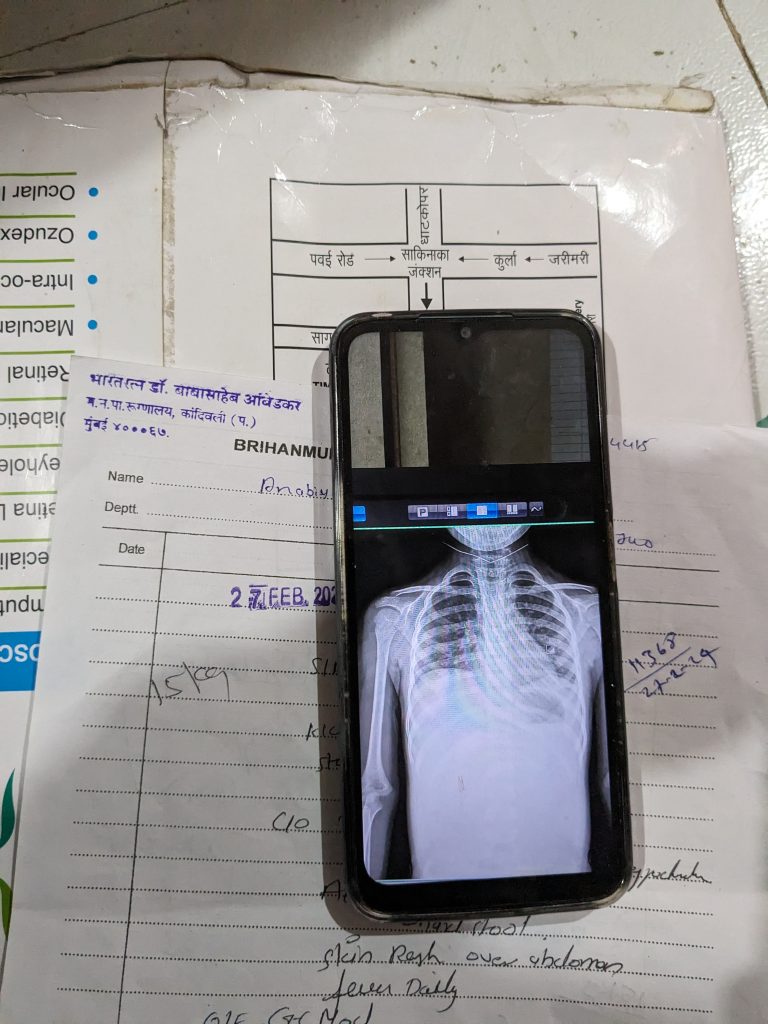
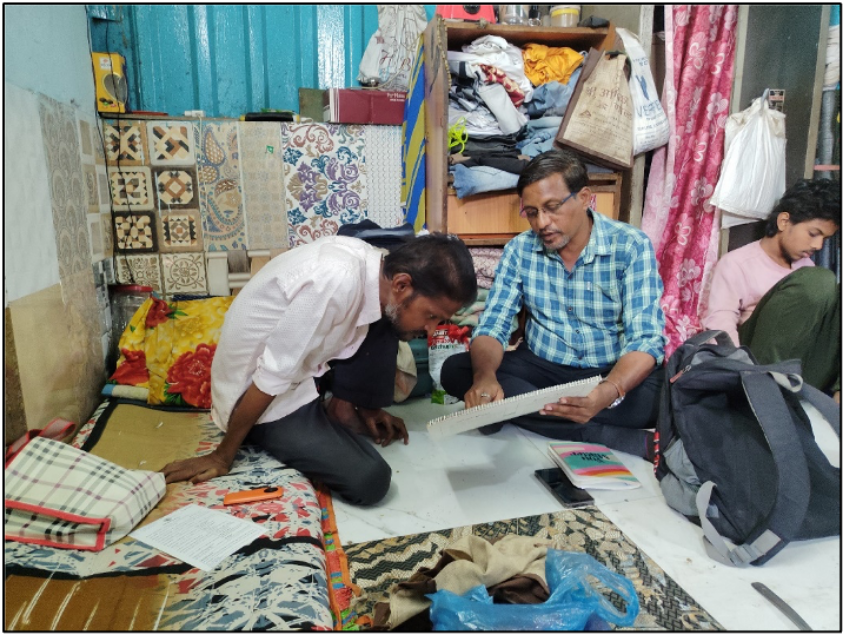
ATIA supports people with tuberculosis in the slums to help them complete their treatment, working alongside the public health system on the non-medical obstacles that prevent patients from following their care pathway. The poorest patients, newly diagnosed and started on treatment, are identified through partnerships with public health centres, and their level of poverty and malnutrition is then assessed using the “Family Photo” tool. Home follow-up is then provided throughout the treatment to secure adherence: answering patients’ questions, advice on limiting side effects, and awareness-raising on hygiene and on reducing the risk of infection. The poorest and most malnourished patients receive food supplements or regular food distributions, essential nutritional support that enables them to withstand the treatment.
Prevention also plays an important part in the scheme, with children exposed to tuberculosis in patients’ households identified and referred for preventive treatment. This community-based approach, combining individualised follow-up, nutritional support and community awareness-raising, achieves cure rates above national targets, for patients who are nonetheless among the most vulnerable.
Community health and tuberculosis control (Madagascar)
In Madagascar, tuberculosis treatment is free, but it lasts at least six months, and many very poor patients interrupt it before they are cured, for various reasons (transport difficulties in getting to the treatment centre, returning to work, family reasons, etc.), because they fear the judgement of others, or because they feel better. Together with two other Malagasy NGOs that are ATIA partners (KOLOAINA and VAHATRA), RAITRATIA tackles this cause of drop-out by placing social workers at the heart of public tuberculosis diagnosis and treatment centres (CDTs) in four cities of the country: Antananarivo, Antsirabe, Mahajanga and Vatomandry. Before treatment begins, each new patient receives an individual assessment, carried out with the care team: it makes it possible to understand their social situation and to identify those most at risk of stopping their treatment. The social workers go to the CDTs at least once a month to take part in these assessments, or even to lead them.
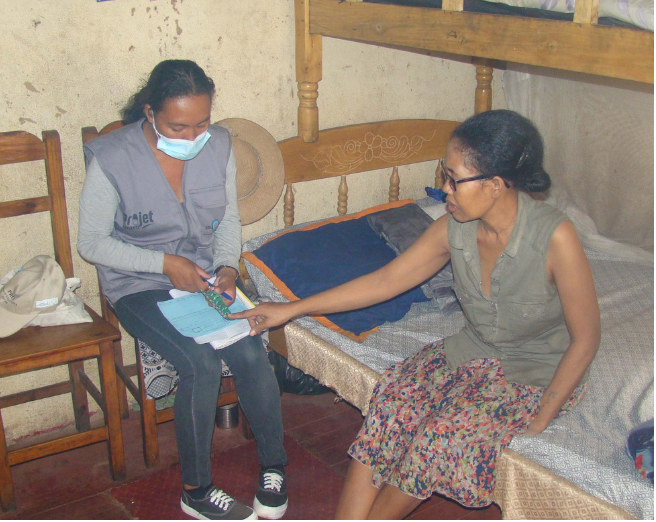
Patients identified as vulnerable receive enhanced follow-up, provided by community workers dedicated to tuberculosis and supervised by the partner NGOs. The social workers focus on the most difficult situations and advise doctors directly on the patients who need it. This approach builds on the RAITRA TB project run from 2021 to 2024, in which social workers visited at home all the patients referred by the centres. It now gives social NGOs a supporting role alongside the public health system, without replacing health workers. Some CDTs already hold a monthly group review on how patients are taking their treatment, a sign that the importance of this follow-up is becoming part of the centres’ practices.
LEARN MORE
about the latest results in figures of the programmes
about the location of the programmes in Madagascar and India
about studies and publications